Operations & Strategy
Operational Framework & Strategic Approach
229 Infrastructure Inc. operates as a Canadian holding company focused on building vertically integrated infrastructure materials platforms in high-growth markets.
The company structures capital, secures industrial assets, and deploys disciplined execution through locally incorporated operating subsidiaries.
In Guyana, 229 is advancing the development of integrated clinker, cement, and downstream materials capacity designed to support national infrastructure expansion and long-term supply stability.
Three Phases of Growth
What We Build
Each phase is structured to generate independent operating value while creating a pathway toward full vertical integration and long-term margin expansion.
Phase 1
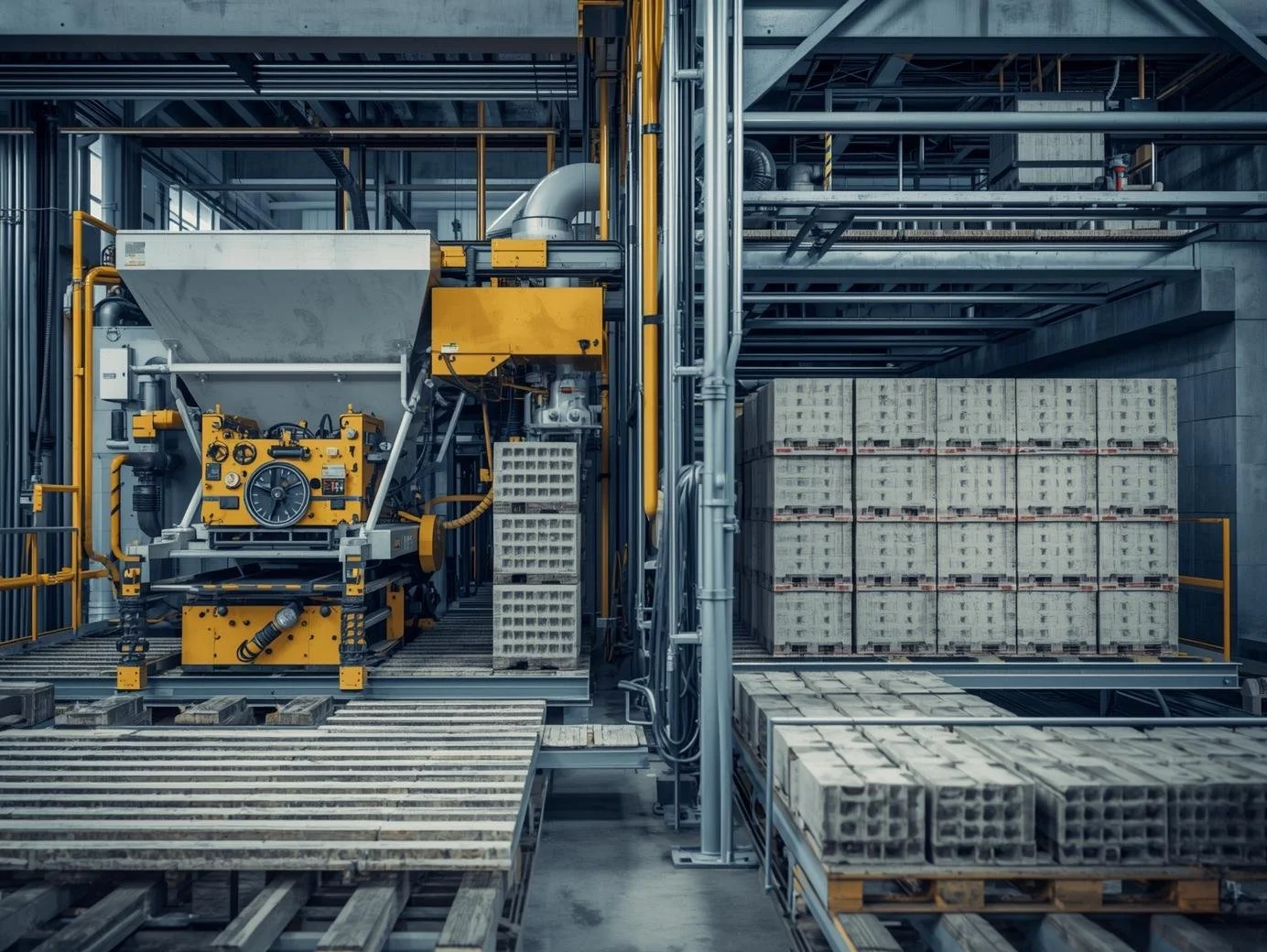
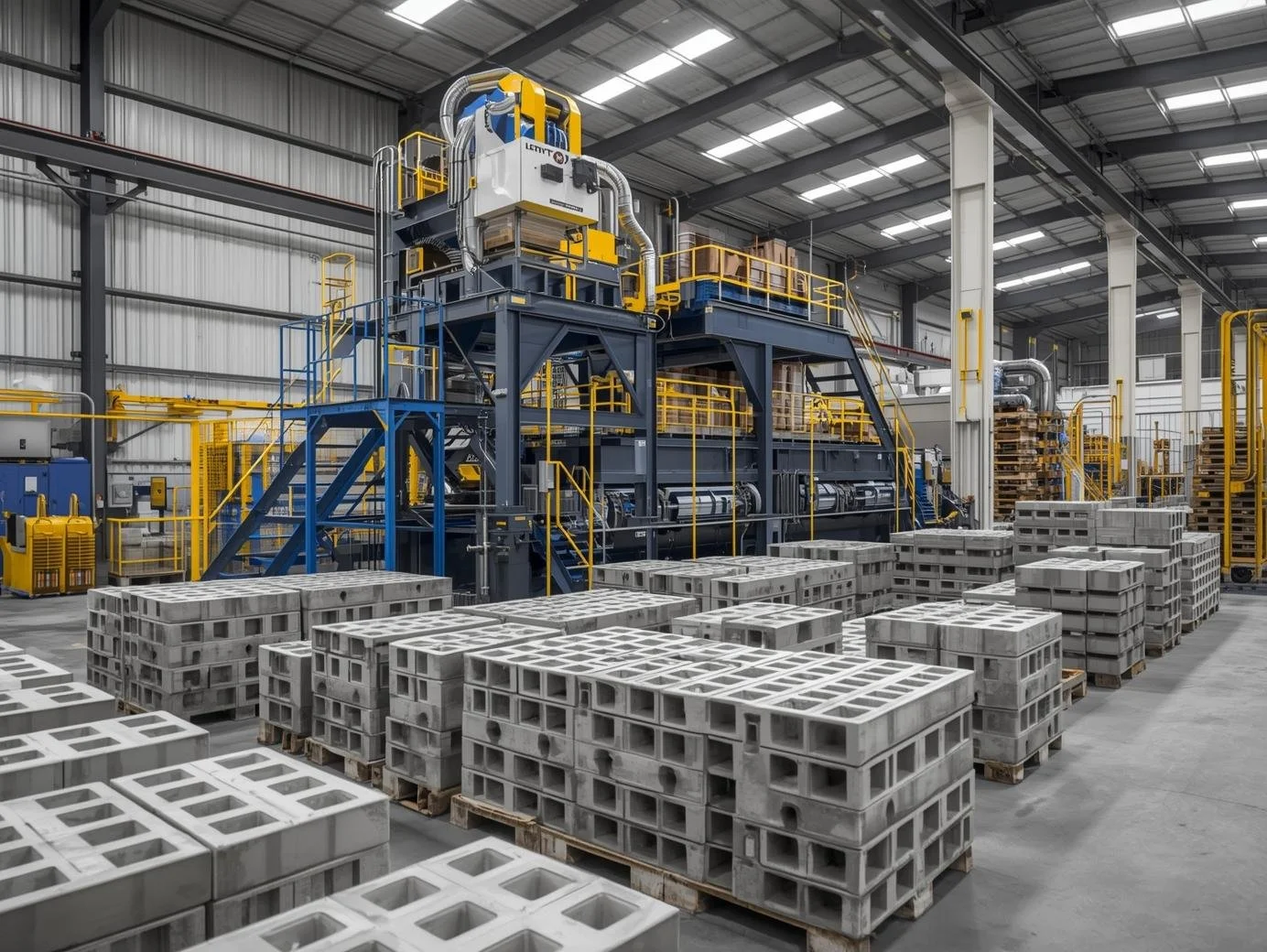
Phase 1 deploys initial automated production capacity designed to secure market share, validate pricing power, and establish recurring supply relationships.
Foundation & Initial Operations
Securing non-binding Expressions of Interest (EOIs) to support capital deployment and production planning land control through structured agreements
Coordinating early regulatory approvals
Commissioning automated block production systems with scalable curing and material handling infrastructure
Supplying materials to local contractors and infrastructure projects
Collecting non-binding Expressions of Interest (EOIs) to demonstrate market traction
Key Initiatives
Commissioned automated production infrastructure
Validated recurring demand through contractor engagement and EOIs
Improved domestic supply stability and cost control
Established operational platform for scalable expansion
Outcomes
Phase 2
Capacity Expansion & Vertical Integration
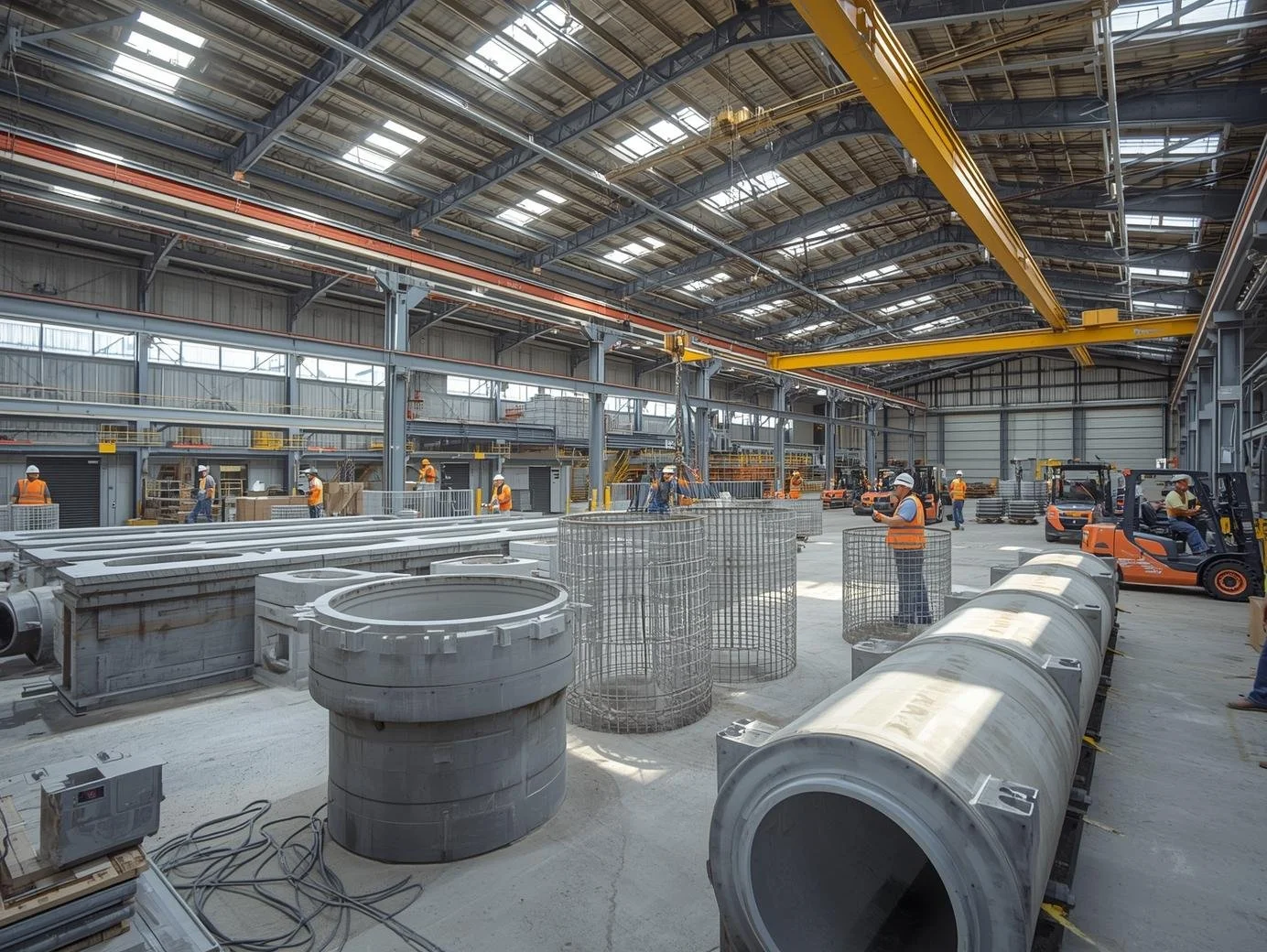
Phase 2 advances 229 Infrastructure into higher-margin, asset-intensive manufacturing through expanded precast and infrastructure product lines. Following stabilization of Phase 1 operations, the Company will scale production capacity, diversify output, and deepen vertical integration across block, precast, and infrastructure components aligned with public and private sector demand.
This phase is designed to materially increase production volume, operating leverage, and contract competitiveness.
Commissioning of a dedicated, high-capacity precast manufacturing facility
Deployment of automated production systems for medium- and large-diameter infrastructure components
Expansion of integrated material handling, curing, and quality control infrastructure
Strengthening logistics and distribution capacity to support regional project delivery
Advancement of quarry permitting and raw material sourcing strategy
Key Initiatives
Outcomes
Expanded production capacity aligned with contracted demand
Margin enhancement through automation and scale efficiencies
Diversified infrastructure product portfolio
Enhanced qualification for large-scale public and private infrastructure contracts
Strengthened competitive positioning within the Guyana materials market
Phase 3
Cement & Quarry Integration
Phase 3 represents the long-term strategic integration of 229 Infrastructure into a fully domestic construction materials platform.
This phase contemplates the development of cement grinding and/or production capacity alongside aggregate quarry operations, subject to market validation, regulatory approvals, and disciplined capital deployment.
The objective is to reduce import dependency, enhance supply chain control, and establish vertically integrated cost advantages across block, precast, and infrastructure materials production.
Development or acquisition of strategic aggregate quarry assets through a Guyana-based subsidiary
Installation of cement grinding and/or production systems to localize bulk cement supply
Integration of quarry, cement, block, and precast operations into a unified domestic supply chain
Strategic positioning to supply large-scale public works and industrial infrastructure projects
Phased capital deployment aligned with demand validation and regulatory approvals
Key Initiatives
Outcomes
Long-term margin expansion through vertical integration
Reduced exposure to imported clinker and bulk cement volatility
Increased pricing control across core infrastructure materials
Strengthened national supply chain resilience
Establishment as a leading vertically integrated construction materials platform in Guyana

Future Phase
Drainage and structural precast products
Designed to complement block production and infrastructure demand
Precast Components
Phased Development Model
Capital deployment is structured in sequential phases, with each stage designed to validate demand, strengthen cash flow, and reduce execution risk before advancing to the next level of integration.
Facilities, equipment, and production capacity are scaled progressively based on demonstrated market demand, regulatory approvals, and capital availability.